ROADSIDE ASSISTANCE
How Does Emergency Roadside Assistance Work?
A dead battery in a Phoenix parking lot at 4:30 p.m. feels a lot different than reading about roadside service from your couch. When stress is high, the real question is simple: how does emergency roadside assistance work when you actually need help right now?
From Call to Completion
The short answer is that you call or request service, provide your location and vehicle issue, receive a quoted price and ETA, and a trained technician comes to you with the tools needed to solve the problem on site. In many cases, that means getting back on the road without a tow.
Most service calls follow the same pattern. First, the customer contacts the roadside company and explains the problem. The dispatcher asks for the exact location, vehicle make and model, and any details that affect safety or equipment. If the problem is not clear, the dispatcher may ask follow-up questions to narrow it down — for example, whether the lights turn on or whether you hear clicking.
Next comes dispatch and pricing. A professional roadside provider should tell you what service they believe you need, what it will cost, and how soon a technician can arrive. Once the technician arrives, they verify the issue, perform the service, and test the result before closing out the call.
What Kinds of Problems Can Roadside Assistance Fix on Site?
The most common roadside calls are lockouts, dead batteries, flat tires, fuel delivery, and no-start situations — issues most likely to leave a driver stranded but still repairable where the vehicle sits.
Lockouts
Regaining entry without damaging the vehicle, even on modern cars with electronic locks and anti-theft systems.
Dead Batteries
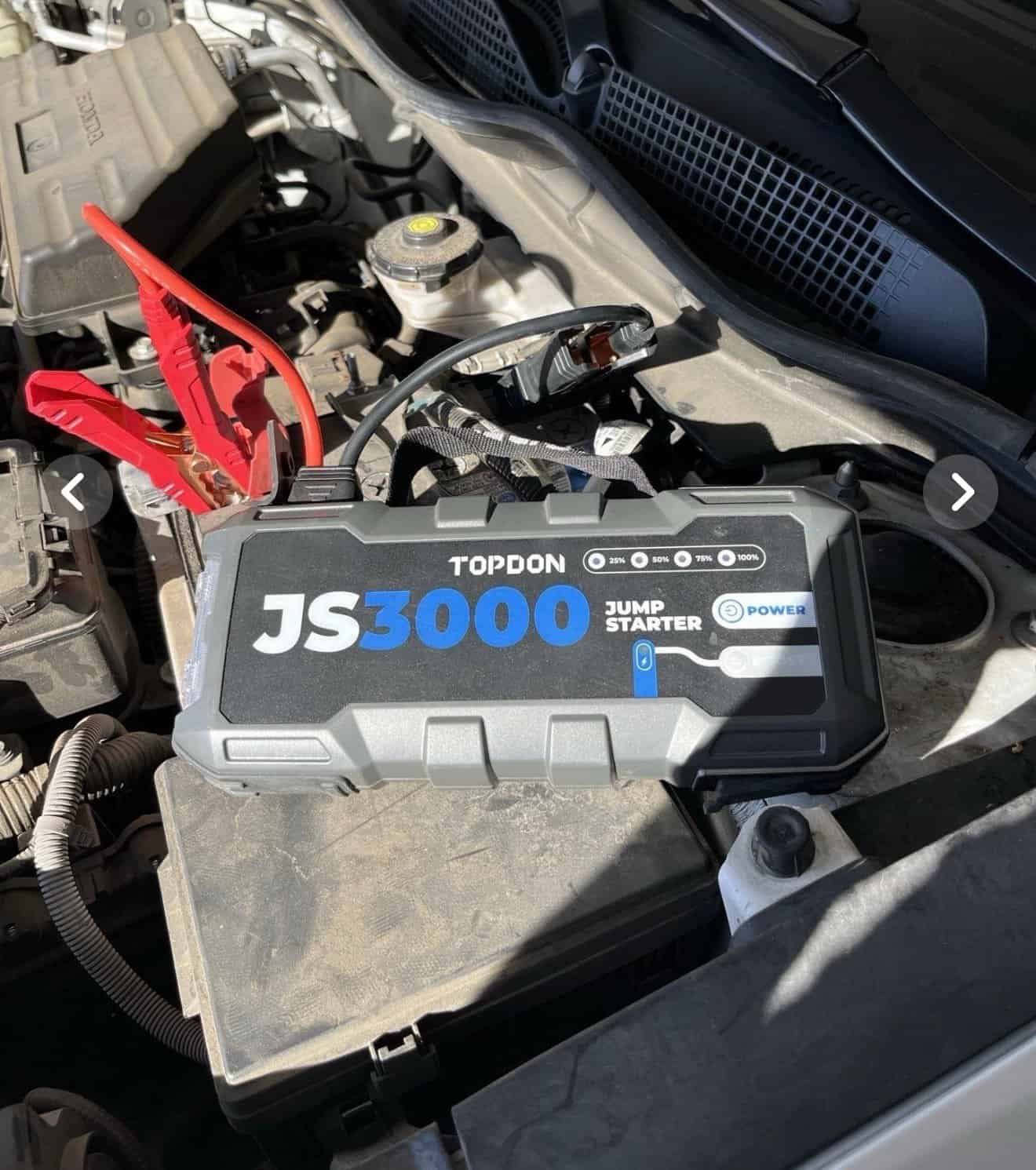
Sometimes a simple jump-start is enough; other times the battery needs to be replaced on site.
Flat Tires
If you have a usable spare, we can install it and get you moving through our spare tire replacement.
Fuel Delivery
We bring enough fuel to get you safely to the nearest station.
EV & Hybrid Support
Low-charge events require specialized, EV-safe handling — not every roadside provider offers this level of support.
What Information Do You Need When You Call?
The fastest service usually starts with accurate information: your exact location (cross streets, direction of travel, parking lot section, business name, or freeway exit), your vehicle's year, make, model, and color, and details about the problem — completely dead, clicking, or cranking without turning over.
How Pricing Usually Works
Some companies operate through club plans or insurance reimbursement. Others, especially local mobile roadside providers like Precision Roadside Service, offer direct service with upfront pricing before dispatch, so you know the cost before anyone is sent out.
Why Response Time Can Vary
Response time depends on traffic, call volume, weather, your location, and the type of service required. A company focused on Phoenix, Mesa, Tempe, Chandler, Gilbert, Scottsdale, and Queen Creek can often provide more accurate ETAs than a broad national dispatch network.
What Roadside Assistance Does Not Usually Include
Roadside assistance is designed to address immediate, solvable problems at the vehicle's location. It is not a substitute for full mechanical repair. If the issue is a failed starter, major cooling system problem, transmission fault, or collision damage, on-site service may not be enough — a dependable technician will tell you clearly when that is the case.
What to Do While You Wait for Help
Stay with the vehicle if it's safe. Use hazard lights and move as far from traffic as possible. In Arizona heat, stay hydrated and limit time outside the vehicle. Keep your phone available in case the technician needs help locating you.
Need Roadside Help?
Precision Roadside Service is built for exactly these moments — fast local dispatch, clear communication, and trained technicians ready across the Phoenix Valley.